
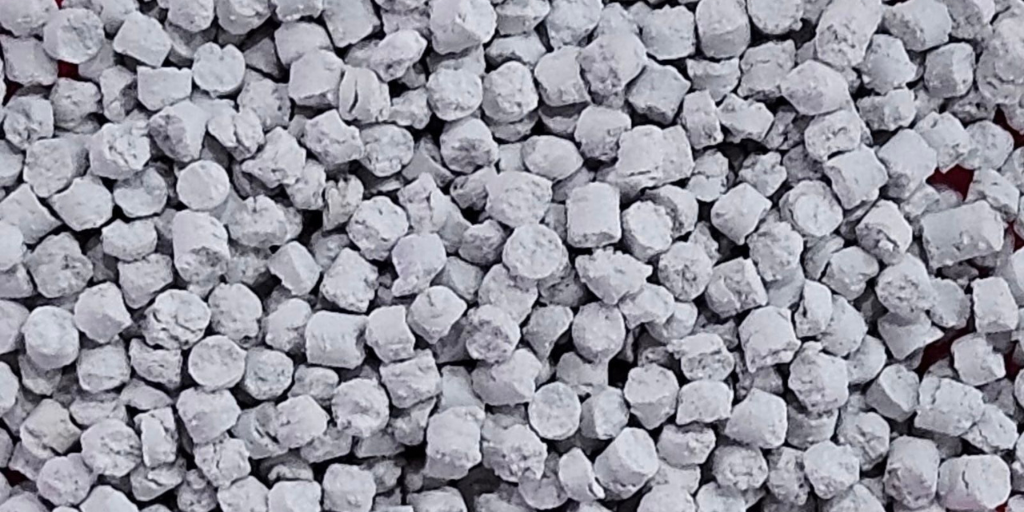
Soda lime absorbs CO₂ in anaesthesia circuits. Despite its importance, improper handling or usage risks equipment malfunction, increased costs and — most importantly — patient safety.
Why training matters
Poor practice can lead to CO₂ rebreathing and hypercapnia, increased airway resistance, chemical burns from degraded absorbent, unexpected alarms, and avoidable wastage and cost.
Who to train
Anaesthesiologists, nurse anaesthetists, operating-room nurses, anaesthesia technicians and biomedical engineering staff all need instruction — to ensure consistent handling across shifts and departments.
Core training topics
- Function — how CO₂ absorption works and why moisture matters.
- Exhaustion recognition — colour change, elevated CO₂, temperature rise and patient signs; note that colour can revert, so it is not the sole indicator.
- Installation and handling — gentle filling to prevent dust and channeling, and correct seating for efficiency.
- Replacement protocols — standardised timing, responsibility and documentation.
- Safety awareness — heat generation, caustic reactions and toxic by-product risks.
Implementing best practice
Use standardised modules with visual aids and demonstrations, simulation-based scenarios, annual refreshers and competency checks, and clear, accessible standard operating procedures. Manufacturers can support with usage guides, in-service sessions and technical updates.
Measuring success
Effective training shows up as fewer CO₂ alarms, lower wastage, improved compliance and positive audit outcomes — a clear return on a small investment in patient safety.