
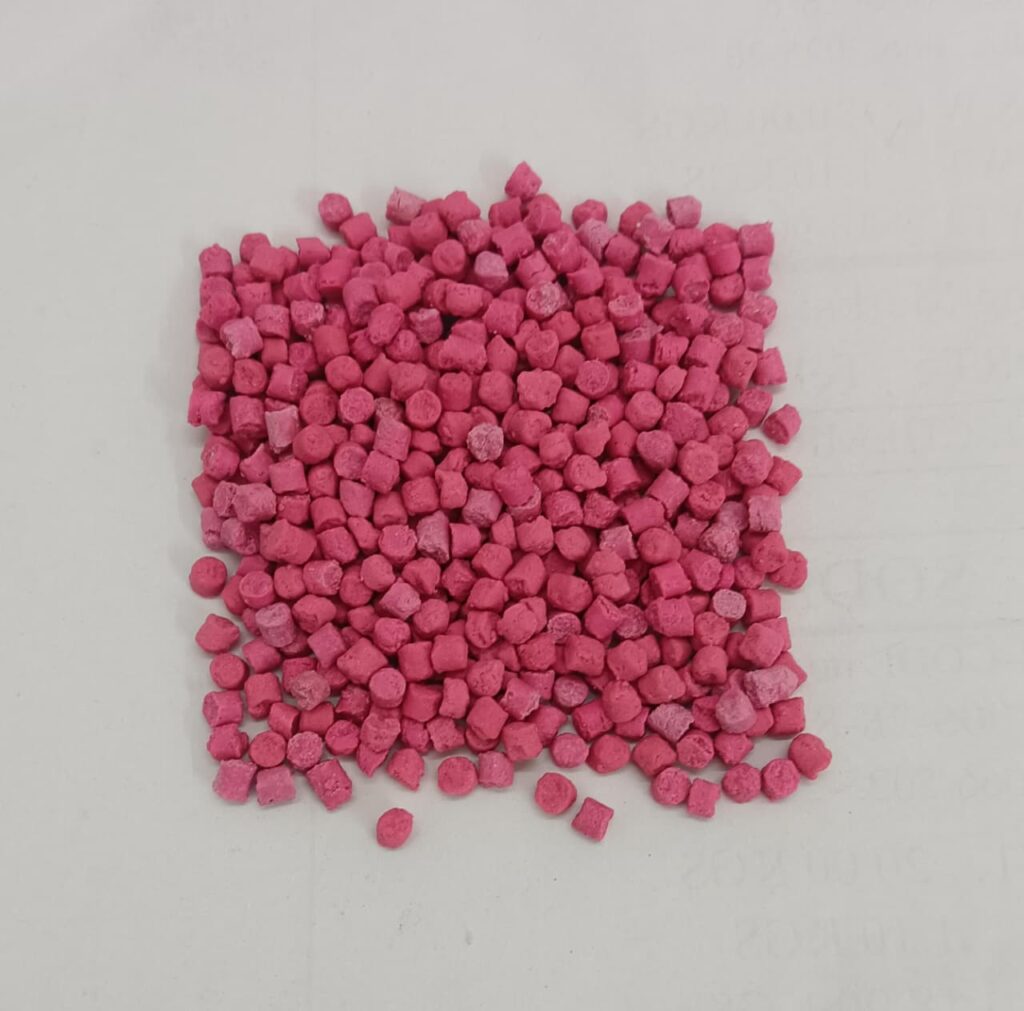
Soda lime is a critical CO₂ absorbent in healthcare settings, particularly for anaesthesia systems. Its performance is not fixed — it varies with several conditions. Understanding these factors helps facilities optimise usage, extend absorbent life and, above all, protect patients.
Why performance matters
In a breathing circuit, soda lime removes carbon dioxide so gases can be safely recirculated. Poor performance can cause hypercapnia, increased respiratory workload, cardiovascular stress, reduced anaesthesia efficiency and patient complications.
Composition and quality
Medical-grade soda lime contains calcium hydroxide as its primary component, with sodium or potassium hydroxide to accelerate absorption and water to enable the chemical reaction. Premium formulations deliver consistent performance while reducing dust and maintaining stable airflow.
Moisture content
Water levels critically influence absorption. Too little moisture reduces efficiency and can shorten product life; too much creates airflow problems. Proper storage in sealed containers keeps moisture at its optimal level.
Granule size and shape
Uniform granules provide consistent gas distribution, better absorbent contact and reduced channeling. Good granule engineering balances absorption capacity against airflow resistance.
Fresh gas flow rates
Low-flow anaesthesia recirculates more exhaled gas, demanding more CO₂ removal from the absorbent. High-flow systems recirculate less and consume absorbent differently.
Patient ventilation and canister design
Patient size, metabolic rate, procedure duration and ventilation settings all change CO₂ production and therefore soda lime workload. A well-designed, properly packed canister promotes even gas distribution and maximises utilisation.
Channeling and duration of use
Channeling — where gas bypasses parts of the bed — causes uneven use and premature breakthrough. Because absorption capacity is finite, replacement should follow structured schedules based on usage hours, procedure volume and capnography, not visual indicators alone.
Monitoring, storage and dust
Capnography gives early warning of exhaustion by detecting rising inspired CO₂. Sealed storage away from heat and humidity preserves the chemistry, and low-dust formulations protect airflow and equipment.
Best practice
Use high-quality medical-grade product, follow storage guidance, monitor CO₂ continuously, replace proactively, inspect canisters, train staff and keep records. Together these sustain consistent performance and patient safety.