
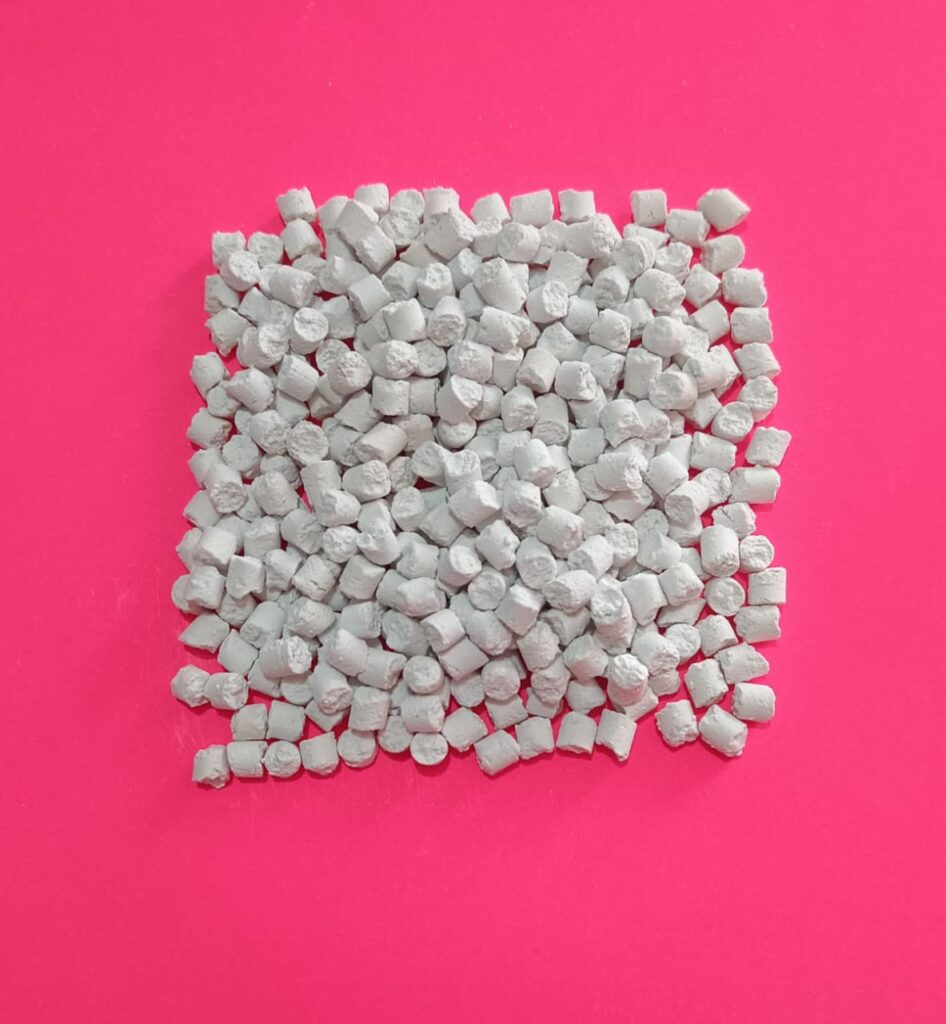
Soda lime quality is one of the most underappreciated factors in operating-room safety. Poor-quality absorbent can compromise gas exchange, expose patients to toxic by-products and increase anaesthesia-related risk.
The role of soda lime
Soda lime absorbs carbon dioxide from exhaled gases during anaesthesia. High-quality product provides efficient CO₂ absorption, stable airway pressures, consistent anaesthetic delivery and reduced fresh-gas requirements.
How poor quality threatens safety
- Ineffective CO₂ absorption — substandard product fails to absorb CO₂ properly, risking respiratory acidosis and cardiac complications.
- Toxic gas formation — inferior formulations with excess alkalis can produce carbon monoxide or other harmful compounds, risking hypoxia and neurological injury.
- Inconsistent granule size — manufacturing defects cause channeling, where exhaled gases bypass the absorbent, reducing efficiency.
- Dust and airway irritation — low-quality products generate excess dust that irritates airways and contaminates equipment.
Reliable indicators and low-flow techniques
Premium soda lime includes dependable colour-change indicators that signal exhaustion early. This matters most in modern low-flow anaesthesia, where performance depends entirely on the absorbent and any failure is magnified.
Compliance with safety standards
Medical-grade soda lime meets recognised international standards. Substandard products violate protocols and increase legal and accreditation risk. Soda lime is a critical safety component — and it deserves to be treated as one.