
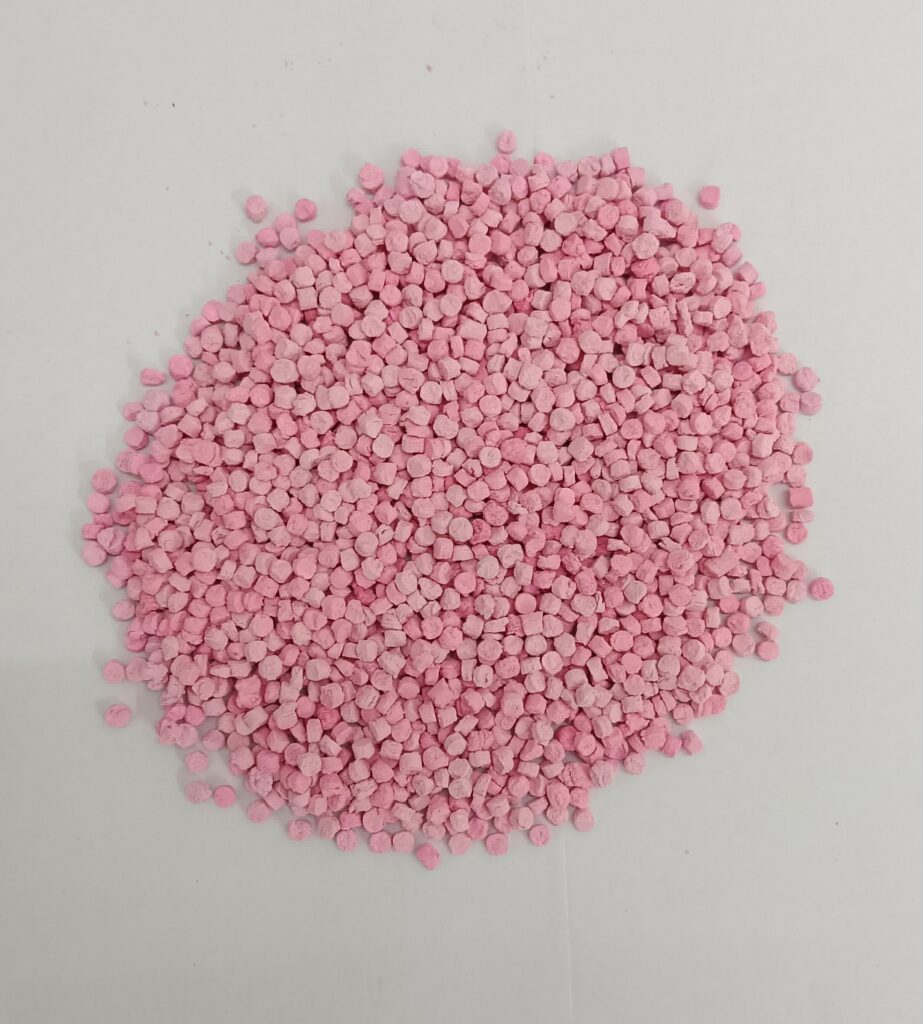
Soda lime absorbs CO₂ in anaesthesia systems, and its performance directly impacts patient safety, anaesthesia efficiency and equipment reliability. Proper maintenance is essential to safe operation.
Understand the life span
The absorbent's CO₂ capacity is finite. Longevity depends on usage duration, patient ventilation rates, fresh-gas flow settings, circuit type and absorbent quality.
Read colour indicators carefully
Colour indicators are a useful reference but should not be the sole factor in deciding replacement — indicators can revert to their original colour after a period of inactivity, creating a false impression of remaining capacity.
Replace before complete exhaustion
Waiting until total exhaustion raises the risk of CO₂ rebreathing. Preventive replacement protocols keep performance uninterrupted, especially in high-volume theatres.
Prevent channeling
Channeling occurs when gases bypass parts of the absorbent. Proper filling, avoiding over- or under-packing, and inspecting for uneven settling all minimise it.
Store correctly and inspect equipment
Air and moisture reduce effectiveness before use, so store in sealed containers in a cool, dry place. Use each absorbent change as an opportunity to inspect canisters, hoses, valves, connectors, seals and monitors.
Monitor CO₂ and use quality product
Capnography detects unexpected CO₂ rises indicating exhaustion, channeling or malfunction. High-quality medical-grade soda lime offers high capacity, consistent granules, low dust and reliable indicators.
Train staff and document
Train on filling, exhaustion recognition, inspection, storage, replacement and safety. Record installation dates, replacements, usage hours and inspection findings to support quality assurance.
Common mistakes to avoid
- Relying solely on colour indicators.
- Delaying replacement.
- Improper packing.
- Using poorly stored absorbent.
- Neglecting inspections and documentation.
Together, these practices maximise performance and protect patients throughout respiratory management.