
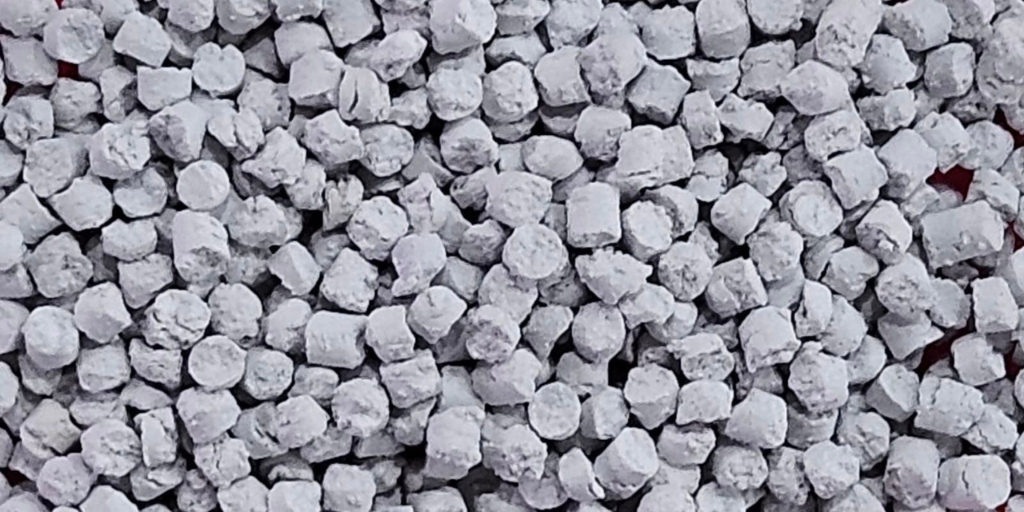
Soda lime plays a critical role in anesthesia delivery by absorbing carbon dioxide (CO₂) from exhaled gases in anesthesia circuits. Despite its importance, improper handling or usage of soda lime can lead to equipment malfunction, increased costs, and—most importantly—patient safety risks.
Effective training of clinical staff ensures soda lime is used correctly, consistently, and safely. This article outlines why training matters and how hospitals can implement best practices for proper soda lime usage.
Why Proper Soda Lime Training Is Essential
In operating rooms and critical care settings, small oversights can have serious consequences. Inadequate training related to soda lime can result in:
Training helps clinical teams recognize risks early and respond appropriately.
Who Should Be Trained?
Comprehensive soda lime training should include:
Cross-functional awareness ensures consistent handling across shifts and departments.
Core Training Topics for Clinical Staff
1. Understanding Soda Lime Function
Staff should clearly understand:
This foundational knowledge supports safer clinical decision-making.
2. Recognizing Signs of Soda Lime Exhaustion
Clinical staff must be trained to identify:
Emphasize that color reversion can occur and should not be the sole indicator for replacement.
3. Proper Installation and Handling
Correct handling prevents dust generation and channeling:
✔ Gently fill canisters without crushing granules
✔ Avoid overpacking or leaving air gaps
✔ Ensure secure canister seating
✔ Use gloves to prevent skin contact
Improper installation can significantly reduce absorption efficiency.
4. Replacement Protocols
Training should clearly define:
Standardized replacement protocols reduce variability and errors across teams.
5. Safety Precautions and Risk Awareness
Staff should understand risks such as:
Emphasizing safety promotes vigilance and accountability.
Best Practices for Effective Training Programs
✔ Standardized Education Modules
Use consistent materials across departments, including:
✔ Simulation-Based Learning
Simulated scenarios allow staff to:
Simulation improves retention and confidence.
✔ Ongoing Refresher Training
Soda lime training should not be one-time only. Include:
✔ Clear Documentation and SOPs
Ensure standard operating procedures are:
This supports compliance and consistency.
Role of Manufacturers and Suppliers
Suppliers can support training by providing:
Partnering with manufacturers helps keep staff informed of best practices and innovations.
Measuring Training Effectiveness
Hospitals can evaluate success through:
Data-driven evaluation ensures training delivers real clinical value.
Conclusion
Training clinical staff on proper soda lime usage is not just an operational requirement—it’s a patient safety priority. By equipping teams with the right knowledge, skills, and protocols, hospitals can reduce risk, improve efficiency, and maintain high standards of anesthesia care.
Consistent training ensures that soda lime performs its critical role effectively—every procedure, every patient, every time.