
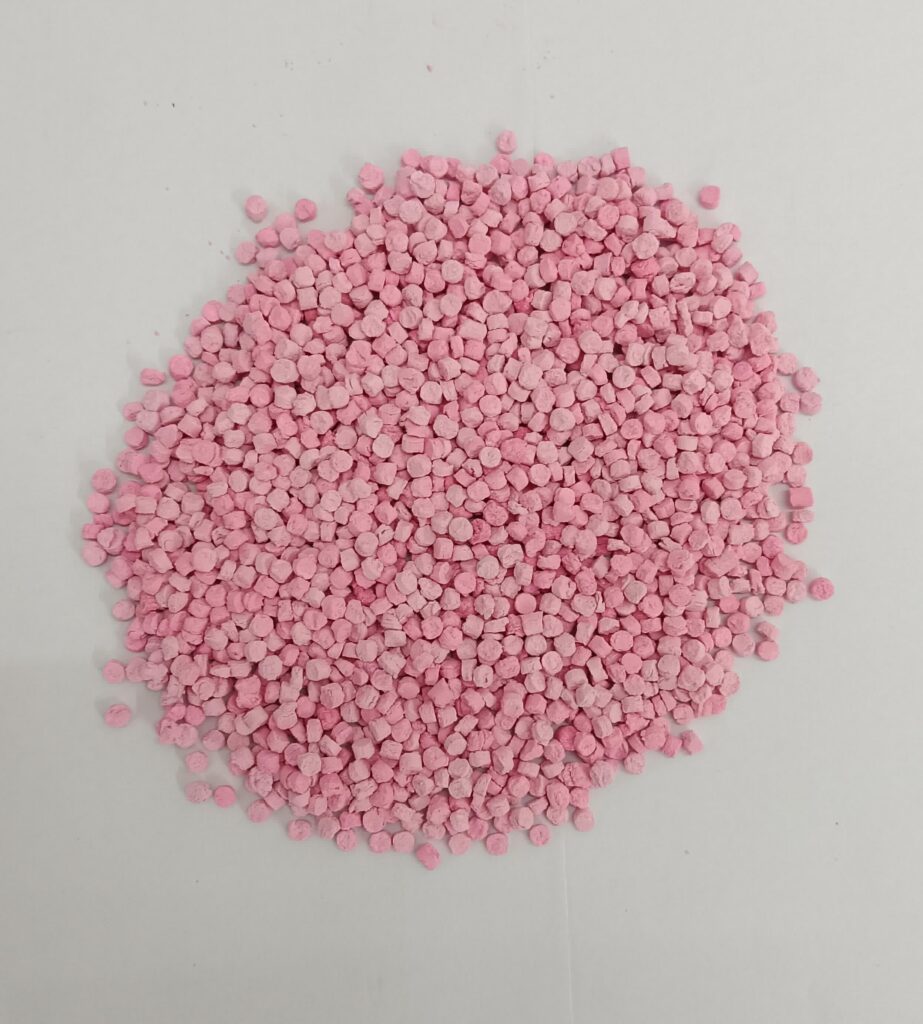
Soda lime is a critical component in anesthesia and respiratory care systems, helping healthcare providers maintain safe breathing environments by absorbing carbon dioxide (CO₂) from exhaled gases. Its performance directly impacts patient safety, anesthesia efficiency, and equipment reliability. However, even the highest-quality soda lime can only perform effectively when it is properly maintained and replaced according to established protocols.
For healthcare providers, implementing best practices for soda lime maintenance is essential to ensuring optimal carbon dioxide absorption, minimizing clinical risks, and maximizing the performance of anesthesia delivery systems. This guide outlines key maintenance strategies that can help healthcare facilities maintain safe and efficient operations.
Why Soda Lime Maintenance Matters
In closed and semi-closed breathing circuits, soda lime removes carbon dioxide from exhaled gases, allowing oxygen and anesthetic gases to be safely recirculated. If the absorbent becomes exhausted or is improperly maintained, carbon dioxide may accumulate within the breathing circuit, potentially leading to:
- Hypercapnia (elevated carbon dioxide levels in the bloodstream)
- Increased respiratory workload
- Cardiovascular stress
- Patient discomfort
- Complications during anesthesia
- Reduced efficiency of anesthesia delivery systems
Proper maintenance helps prevent these issues while supporting consistent clinical performance.
Understand the Life Span of Soda Lime
One of the most important aspects of soda lime maintenance is understanding that its carbon dioxide absorption capacity is finite. Over time, the absorbent becomes exhausted as it reacts with carbon dioxide.
Factors that influence soda lime lifespan include:
Healthcare providers should follow manufacturer recommendations and facility protocols to determine appropriate replacement schedules.
Monitor Color Change Indicators Carefully
Many modern soda lime products contain color indicators that change appearance when the absorbent is nearing exhaustion.
While color change can provide a useful visual reference, it should not be the sole factor used to determine replacement timing. Some indicators may partially revert to their original color after periods of inactivity, potentially creating a false impression that the absorbent is still active.
Best practices include:
Replace Soda Lime Before Complete Exhaustion
Waiting until soda lime is completely exhausted can increase the risk of carbon dioxide rebreathing.
Healthcare facilities should establish preventive replacement protocols that allow absorbent canisters to be changed before absorption capacity is fully depleted. Proactive replacement helps ensure uninterrupted performance and enhances patient safety during procedures.
Routine replacement schedules are particularly important in high-volume surgical environments where anesthesia machines are used continuously.
Prevent Channeling Within the Absorbent Canister
Channeling occurs when gases create preferential pathways through the absorbent material instead of flowing evenly across all soda lime granules.
When channeling develops:
To minimize channeling:
Proper packing promotes uniform gas distribution and maximizes absorbent utilization.
Store Soda Lime Correctly
Storage conditions significantly affect soda lime performance.
Exposure to air and moisture fluctuations can reduce the absorbent’s effectiveness before it is even used. To preserve product quality:
Proper storage helps maintain moisture balance, which is essential for effective carbon dioxide absorption.
Inspect Equipment During Absorbent Changes
Soda lime replacement provides an excellent opportunity to inspect anesthesia equipment and breathing circuits.
Healthcare providers should examine:
Routine inspections help identify wear, contamination, or equipment issues that could affect system performance.
Monitor Carbon Dioxide Levels Continuously
Capnography and carbon dioxide monitoring systems provide valuable information about absorbent performance.
An unexpected rise in inspired carbon dioxide levels may indicate:
Continuous monitoring allows clinicians to detect problems early and take corrective action before patient safety is compromised.
Use High-Quality Medical-Grade Soda Lime
The quality of soda lime directly influences performance and maintenance requirements.
Healthcare facilities should select products that offer:
High-quality absorbents often provide more predictable performance and reduce maintenance challenges.
Train Staff on Proper Handling Procedures
Effective soda lime maintenance depends on well-trained personnel.
Training programs should cover:
Regular education helps ensure consistent maintenance practices across clinical teams.
Maintain Accurate Documentation
Tracking soda lime usage helps healthcare facilities optimize replacement schedules and maintain compliance with internal protocols.
Documentation should include:
Accurate records support quality assurance efforts and help identify trends that may affect equipment performance.
Common Mistakes to Avoid
Healthcare providers should be aware of common maintenance errors, including:
Avoiding these mistakes can significantly improve system reliability and patient safety.
The Long-Term Benefits of Proper Soda Lime Maintenance
Implementing effective maintenance practices provides numerous advantages:
These benefits contribute to safer clinical environments and more efficient healthcare operations.
Conclusion
Soda lime plays a vital role in anesthesia and respiratory care systems, making proper maintenance a critical responsibility for healthcare providers. Regular monitoring, timely replacement, correct storage, equipment inspections, and staff training all contribute to maximizing absorbent performance and ensuring patient safety.
By following established soda lime maintenance best practices, healthcare facilities can improve anesthesia efficiency, reduce clinical risks, and maintain the high standards of care that patients expect. As healthcare technology continues to evolve, consistent attention to absorbent maintenance will remain an essential part of safe and effective respiratory management.
At J.Mitra & Bros, we are the leading soda lime manufacturers in India that produce high-quality soda lime products.